| |
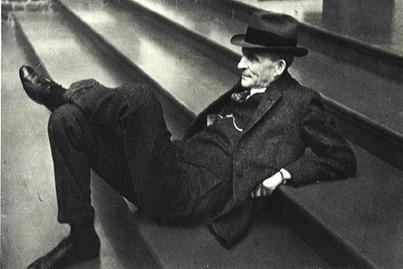
HENRY
FORD Located
on the banks of the Saline River, Wellers is cradled in an era that we will never
see again. On the National Historic Register, this timeless property appeals to
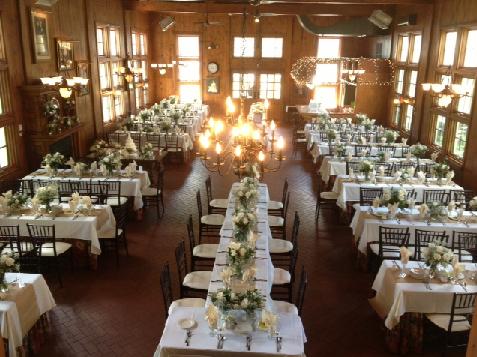
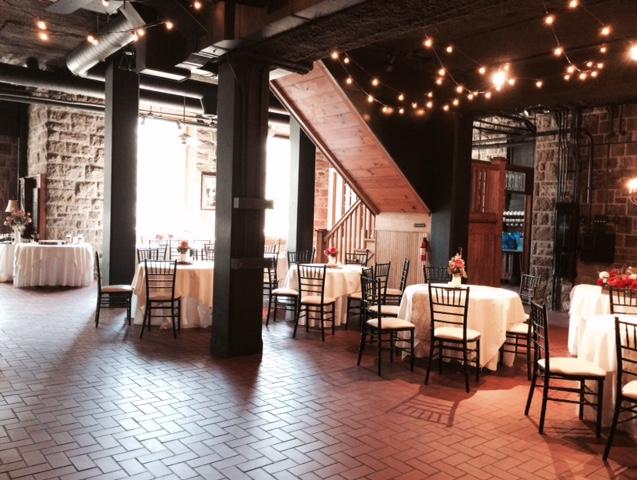
those looking for a truly memorable location for their wedding. We
offer two unique banquet rooms, each
with its own unique character and particular historic significance. Riverside
ceremonies may be performed
on the beautiful ten-acre grounds, providing a unique and unforgettable setting
for your wedding. It
is our pleasure to welcome you to our life's work of historical preservation.
Thank you for your interest in our facility.
Wendy Weller 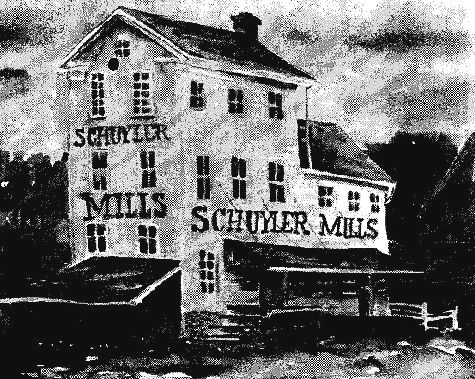
OPEN HOUSE
Every
SATURDAY
11 AM to 1 PM OFFICE
HOURS
Monday & Thursday
10 AM to 2PM
Email
555
West Michigan Avenue
Saline, Michigan 48176 | |
US
12 / Michigan Avenue is Part of the Historic Ford Heritage Trail
HISTORIC
SIGNIFICANCE Imagine
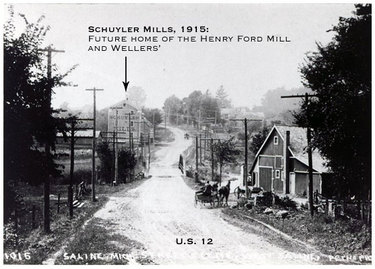
the excitement when Henry Ford came to the small rural village of Saline to restore
the dilapidated Schuyler flour mill. People thought he had totally lost his mind!!
But, like all entrepreneurs, Ford had his own unique vision: to merge
urban factories with rural farming through a little-known and unused crop, the
soybean. To implement his wild idea, he paid over 700 farmers in the Saline area
to grow soybeans. The farmers then trucked their crops here to be refined into
soybean oil for the production of plastics and paints for auto manufacturing.
This simple idea forever changed the face of industry and farming. In
fact, soybeans are once again on the front burner as a possible source and solution
for our energy problems. Ford was drawn here because of its location on a river.
He produced electricity by diverting the river to create a dam-millpond,
and installed a waterwheel. Engineers still marvel at the beauty of Ford's futuristic
dream and he is known throughout the industrial world for his innovative use of
organic products in industry. Ford Heritage
Trail and the US12 Corridor Towns
grew as service areas to agricultural hinterlands and were usually located at
the junction of the travel route or along a river where water power was plentiful
for operating the saw and grist mills needed by the settlers. Several mills remain
at these historic junctions along the route including the Atlas Mill in Clinton
and the Pears Mill in Buchanan. The most prominent is the Schuyler Mill built
in 1843 on the fall of the Saline River, in the then Village of Barnegat (now
known as Saline). In a later period of the road's history, Henry Ford purchased
the mill in 1935. Along with a dam to provide water power and several new buildings,
Ford made major renovations to the mill. The mill was the centerpiece for his
village industry located in Saline. The buildings and structures along both sides
of the highway are listed on the National Register of Historic Places. When
Carl & Iris Weller purchased this property in 1966, the buildings & property
were in total disrepair. But the Ford remnants unearthed in the buildings, the
10-acre setting and the underlying natural beauty of the buildings, sparked a
flame that still burns bright in the today. With their 56 years of efforts resurrected
this mesmerizing page in history. Their story is a testament to American hard
work and ingenuity.
We thank all the people who helped along the way. Historical
References: University
of Michigan Greenfield
Village for photos of building of dam and soybean refinery

Where
time stands still...
TWO
UNIQUE BANQUET ROOMS
|